Practices
Natural Lighting | Infrared Scanning Technology | Hydroelectric Power Systems

Sustainability
Energy & Technology Use
We strive to conserve resources by leveraging innovative technologies that support both environmental sustainability and employee well-being.
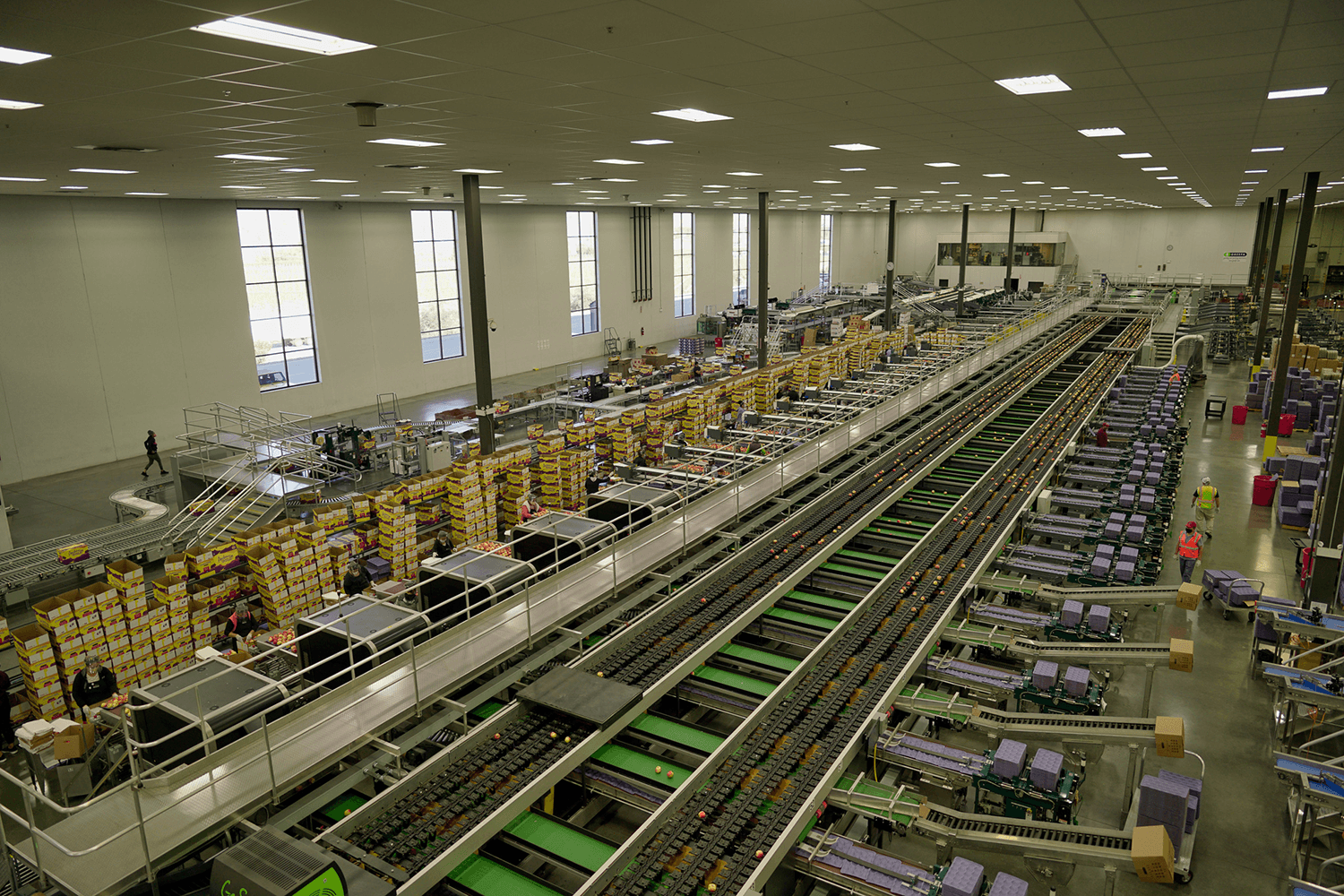
Our warehouse facilities incorporate natural lighting features, including windows and skylights, that reduce energy consumption while providing a brighter, more comfortable work environment for our teams—an approach that is uncommon in traditional warehouse settings.
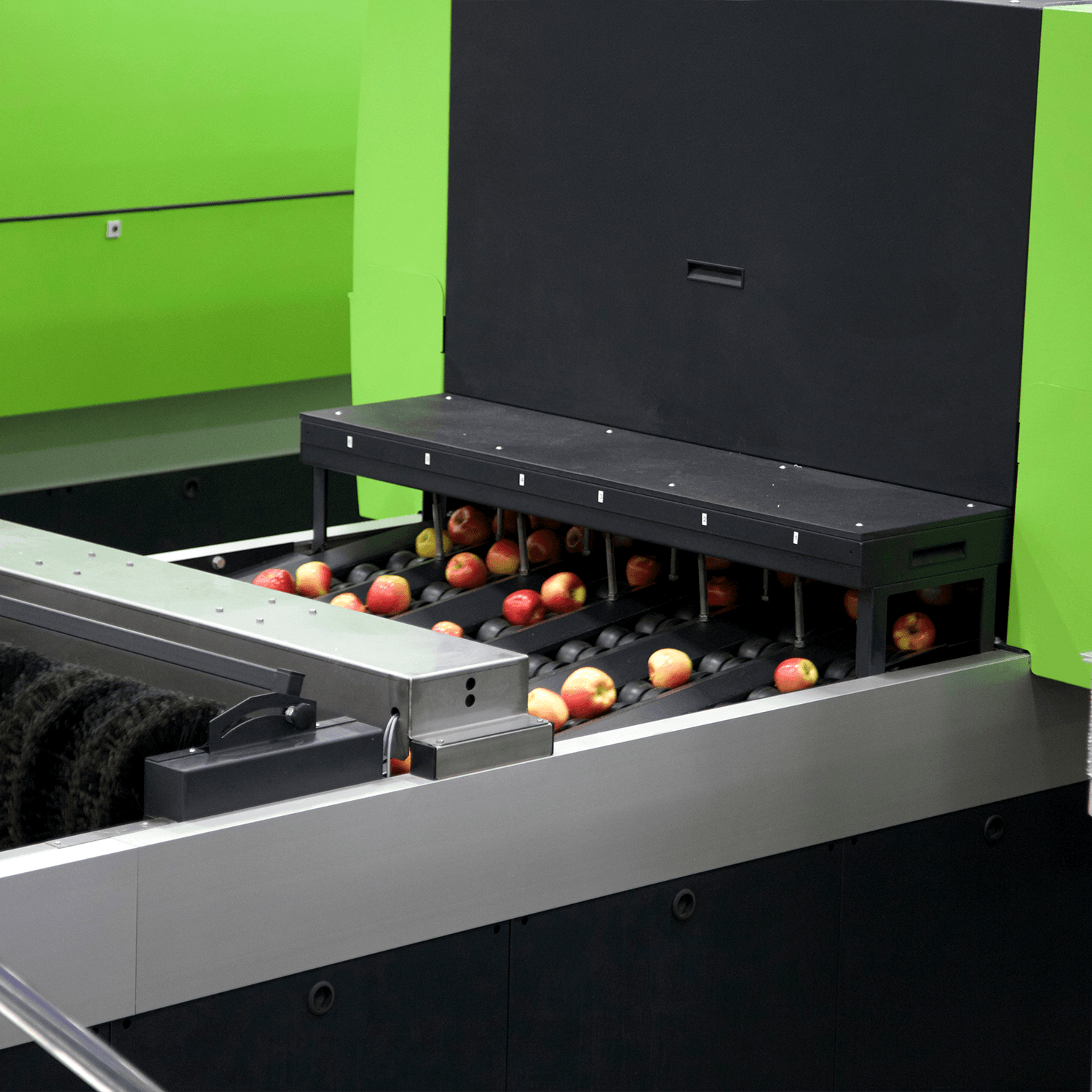
Warehouse facilities employ advanced technologies to reduce food waste and improve operational efficiency. Fruit passes through a high-speed imaging system capturing dozens of photos per second to evaluate quality and route each piece to the appropriate destination. These infrared scans further enhance quality control by detecting fruit defects, helping to reduce shrink and maintain high standards. We also utilize robotic palletizing systems, automating a task that was physically demanding and potentially dangerous.
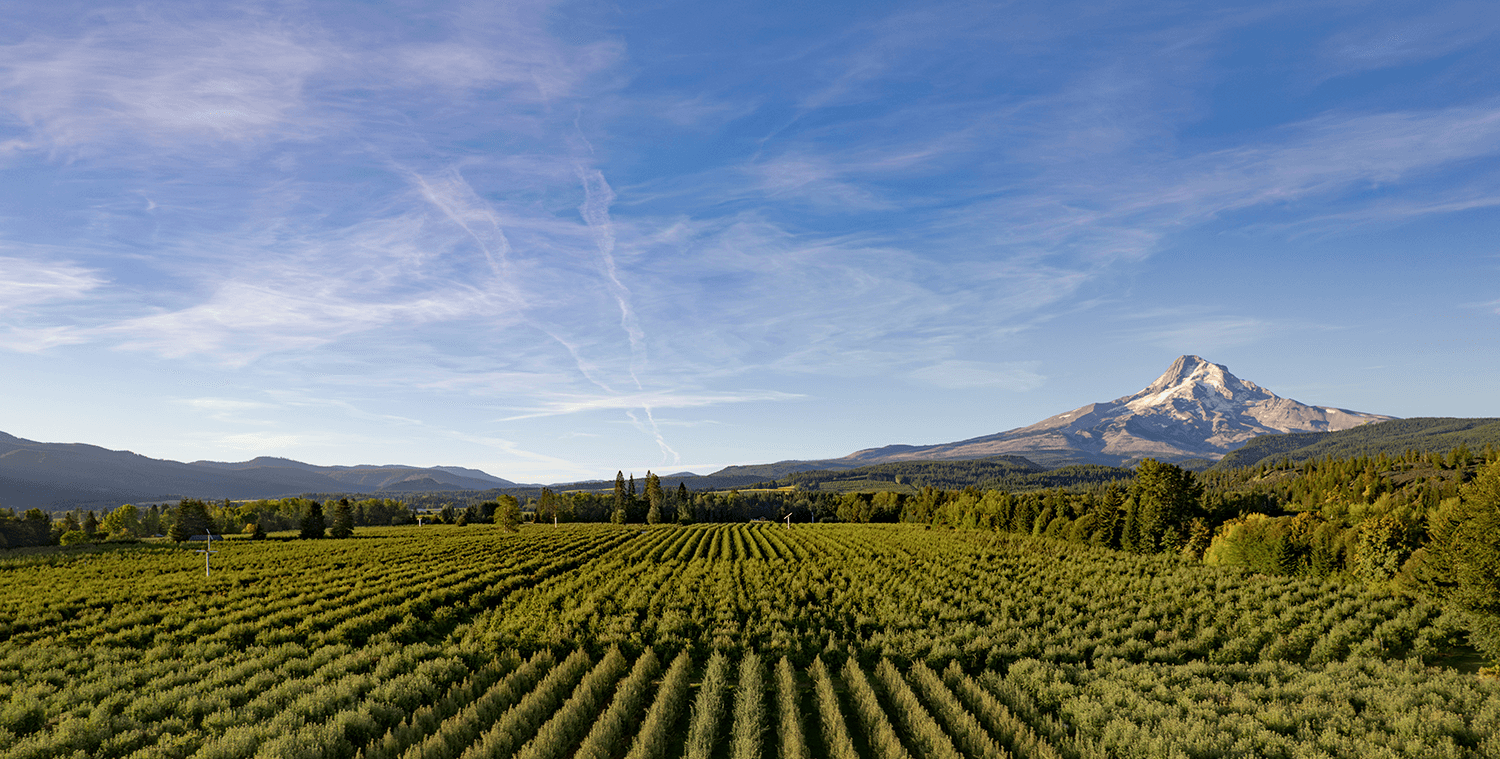
Located in the Pacific Northwest along the Columbia River, our operations benefit from one of the largest hydroelectric power systems in the country. More than 60 dams along the river supply the region with over 80% hydroelectric energy, substantially lowering our carbon emissions.

Natural Lighting
Infrared Scanning Technology
Hydroelectric Power Systems
HIGHLIGHTS
Reduce Emissions | Consolidate Loads | Minimize Empty Miles
Sustainability
SFI Certified | Eco-Friendly Materials
Packaging
Reducing Material Waste in Packaging
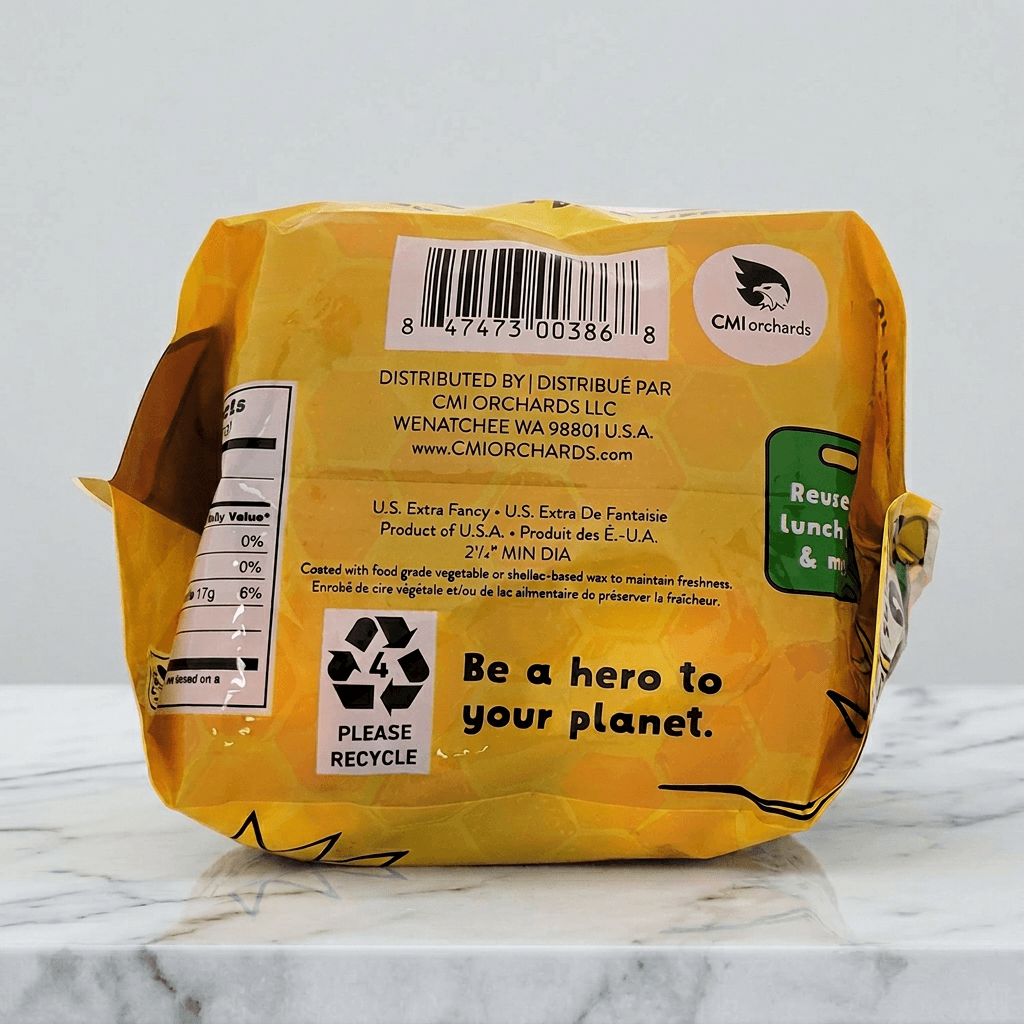
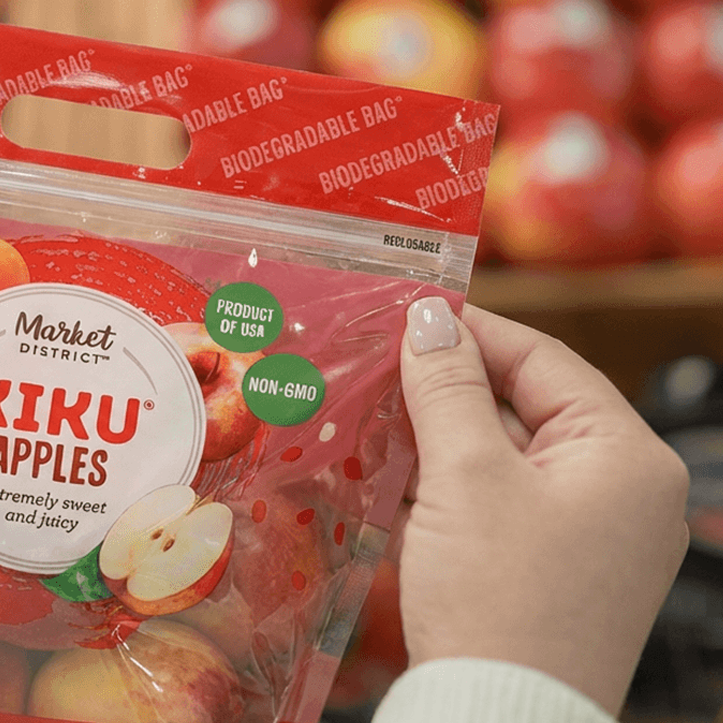
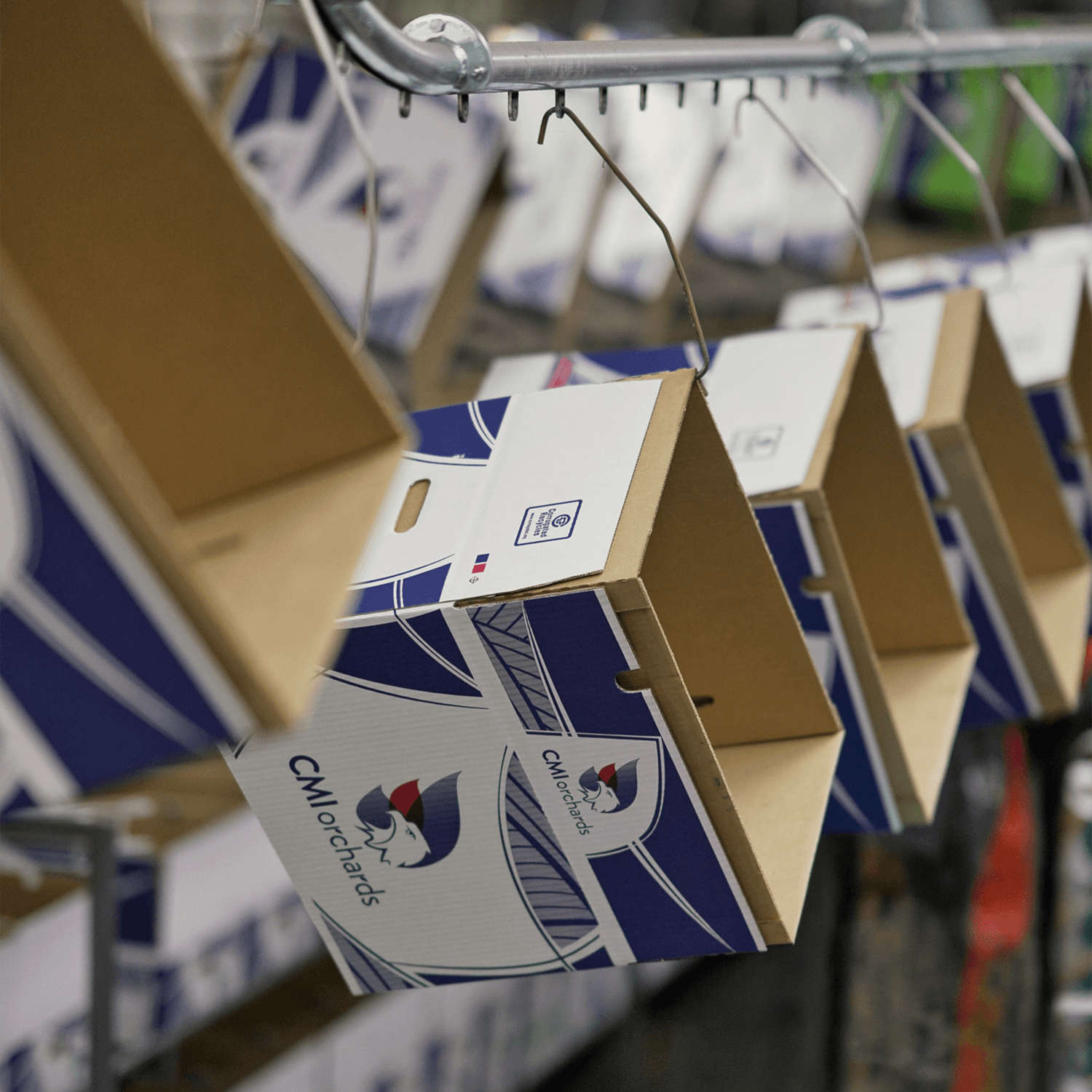
We are committed to reducing our environmental impact through smarter, more sustainable packaging solutions. We prioritize minimalist designs that use recyclable, compostable, and reusable materials, many of which are sourced from certified sustainable programs like the Sustainable Forestry Initiative (SFI). In a major step toward reducing our environmental impact, CMI now uses 100% LDPE #4 recyclable plastic for all plastic packaging.
We're embracing innovative, eco-friendly materials, to deliver exceptional fruit with a lighter footprint.
SFI Certified
Eco-Friendly Materials
HIGHLIGHTS
Reduce Emissions | Consolidate Loads | Minimize Empty Miles
Sustainability
Shipping Logistics
Utilizing our own transportation and logistics service
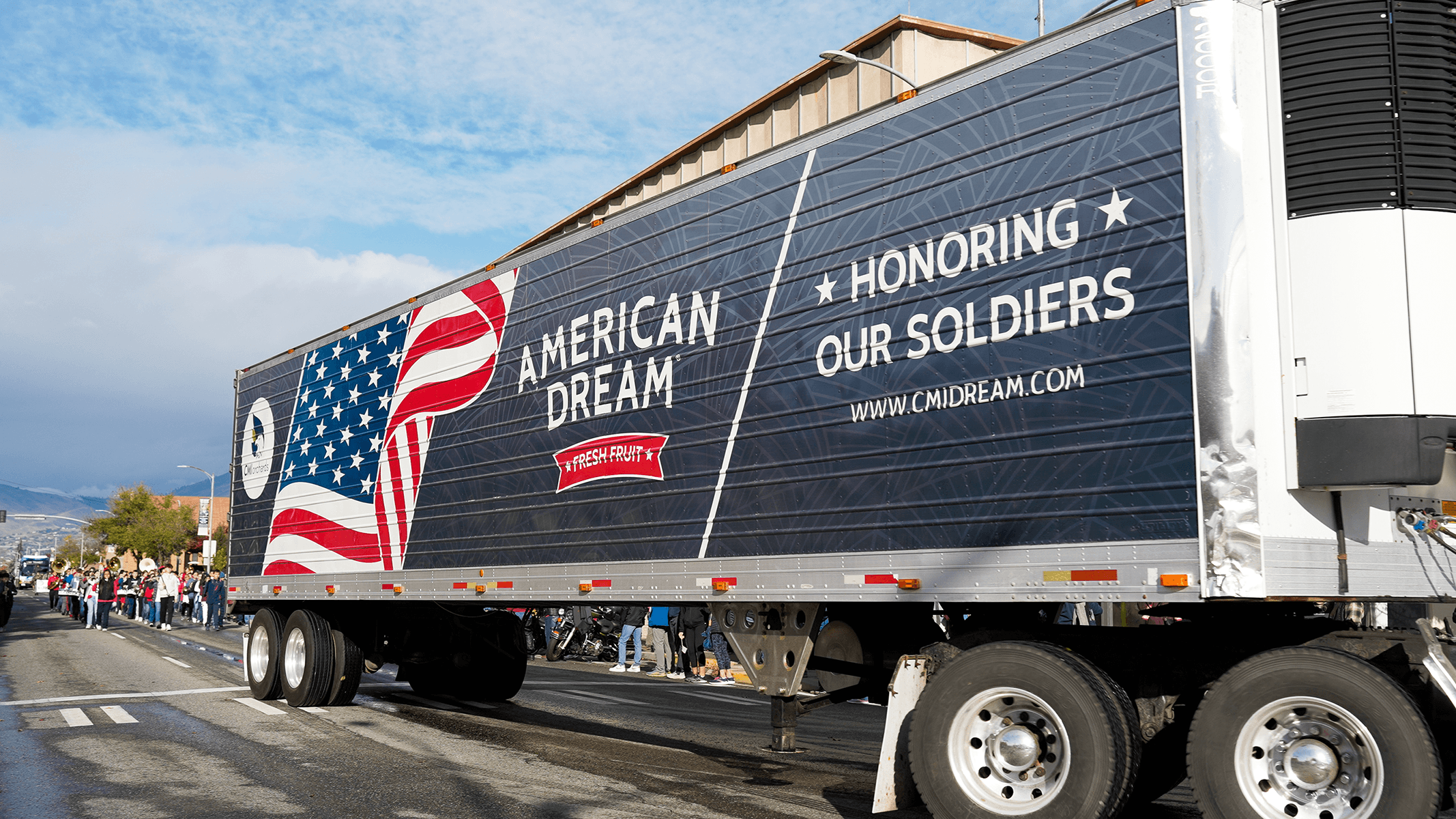
We have streamlined logistics with our EagleForce™ division, bringing transportation and logistics services in-house to better serve our customers. Load consolidation cuts down on trips, lowering emissions and operational costs. Cross-docking services move outside product directly from point A to point B, avoiding time-wasting detours. Reduced empty miles and strong on-road visibility keep logistics moving with precision and ease.


Reduce Emissions
Consolidate Loads
Minimize Empty Miles
HIGHLIGHTS
Reduce Emissions | Consolidate Loads | Minimize Empty Miles
Grow Responsibly | Supports Soil Health | Protects Pollinators | Reduces Synthetics
Sustainability
Organic Production
Growing to Meet Organic Demand
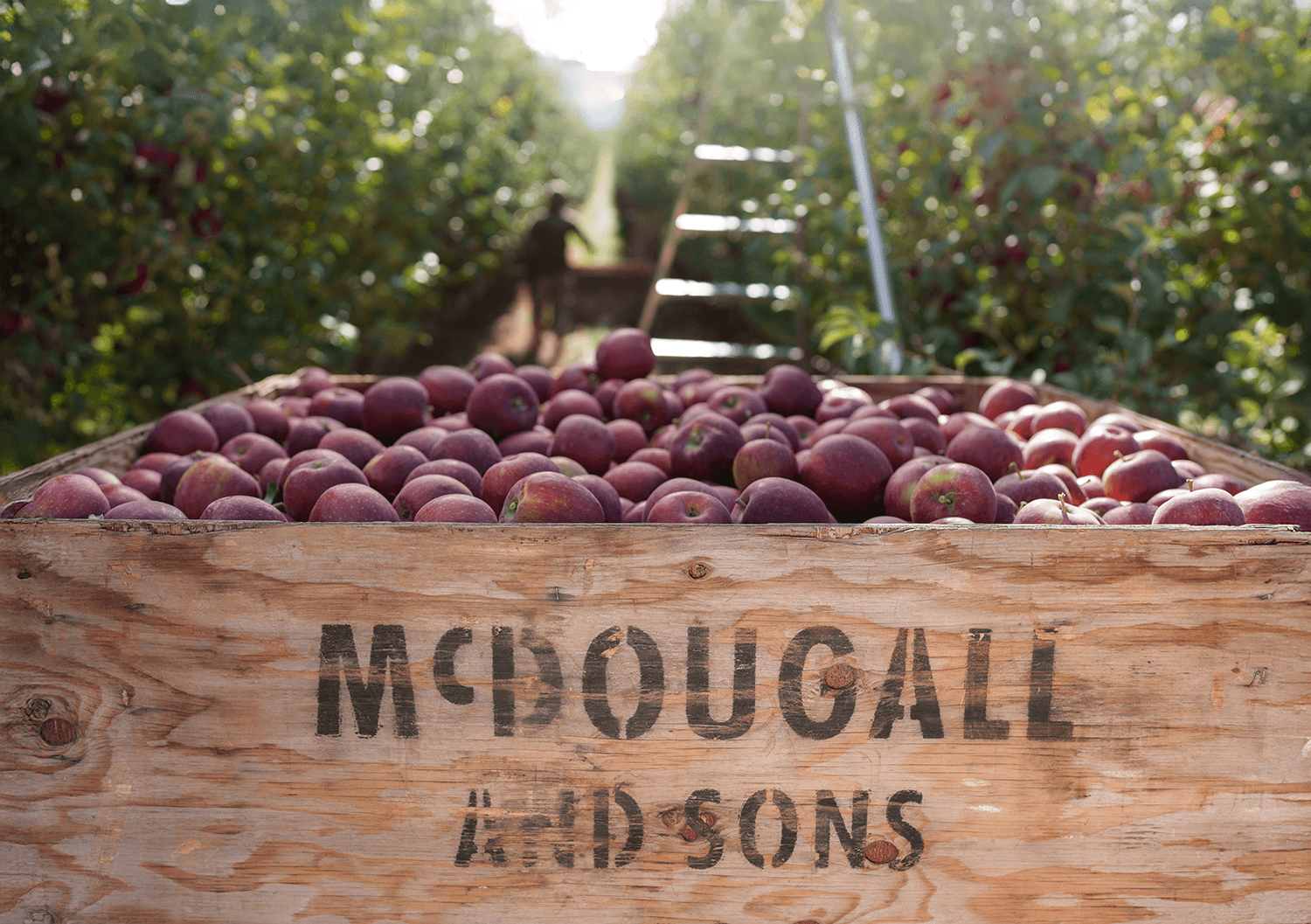
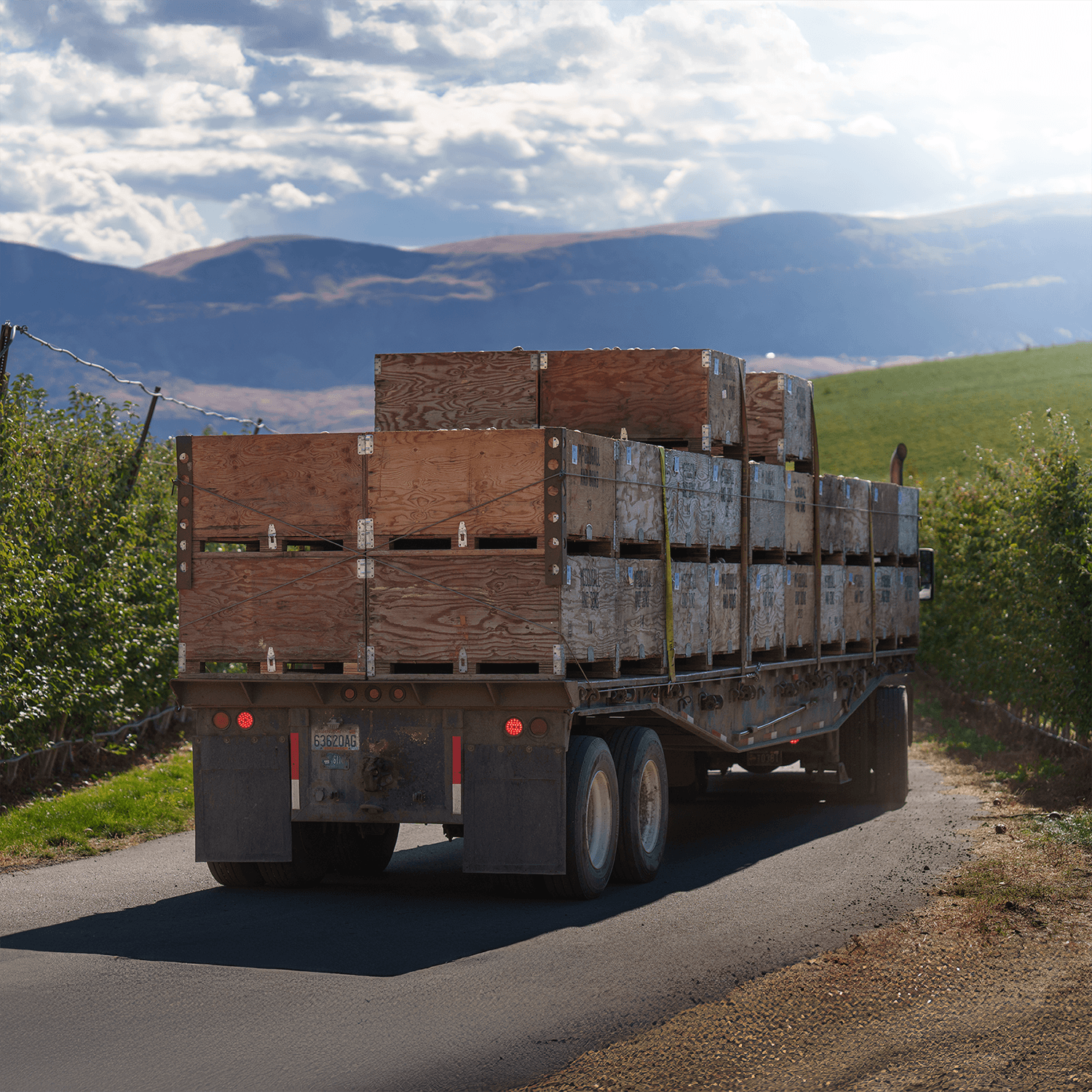
Daisy Girl Organics® is CMI Orchards’ flagship organic program, representing certified organic apples, pears, and cherries grown with integrity and care. Each piece of fruit is a reflection of our commitment to sustainability and is grown using environmentally responsible practices that support soil health, protect pollinators, and reduce the use of synthetic inputs.

Grow Responsibly
Supports Soil Health
Protects Pollinators
Reduces Synthetics
HIGHLIGHTS
Reduce Chemical Use | Limit Pesticide Treatments | Protect Pollinators
Regenerative
INTEGRATED PEST MANAGEMENT (IPM)
Supporting Orchard Health and a Healthier Environment
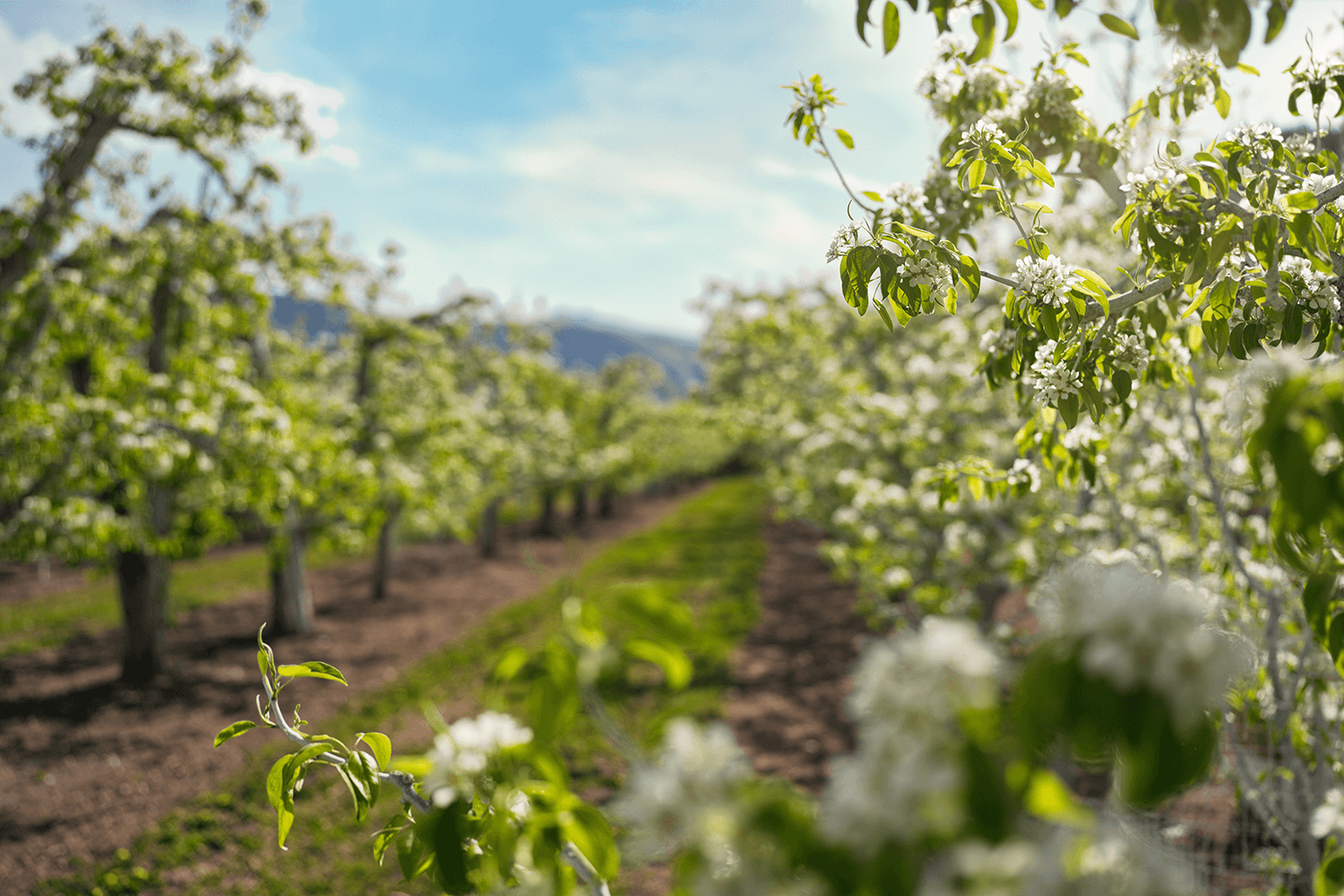
We reduce chemical use by employing precise, environmentally conscious pest management. Our IPM approach uses tools like drones and pest tents. Drones are used to scout for pests, scare birds out of the orchards, and release beneficial predator insects. Precision sprayer technology, guided by prescription mapping, ensures sprays are applied only where needed, detecting gaps and adjusting for bloom density to optimize treatment.
Bees are critical, so we concentrate our efforts on protecting pollinators whenever possible.


Reduce Emissions | Consolidate Loads | Minimize Empty Miles
Reduce Chemical Use
Limit Pesticide Treatments
Protect Pollinators
HIGHLIGHTS
Nutrient Application | Orchard Netting | V-Trellis | Mist Foggers | Filtration Systems
Regenerative
Orchard Management
Practicing Sustainable Agriculture
Our orchards embrace innovative practices to reduce environmental impact while maintaining crop quality. Regular soil and leaf sampling enables targeted nutrient application, reducing waste and promoting healthy soils.
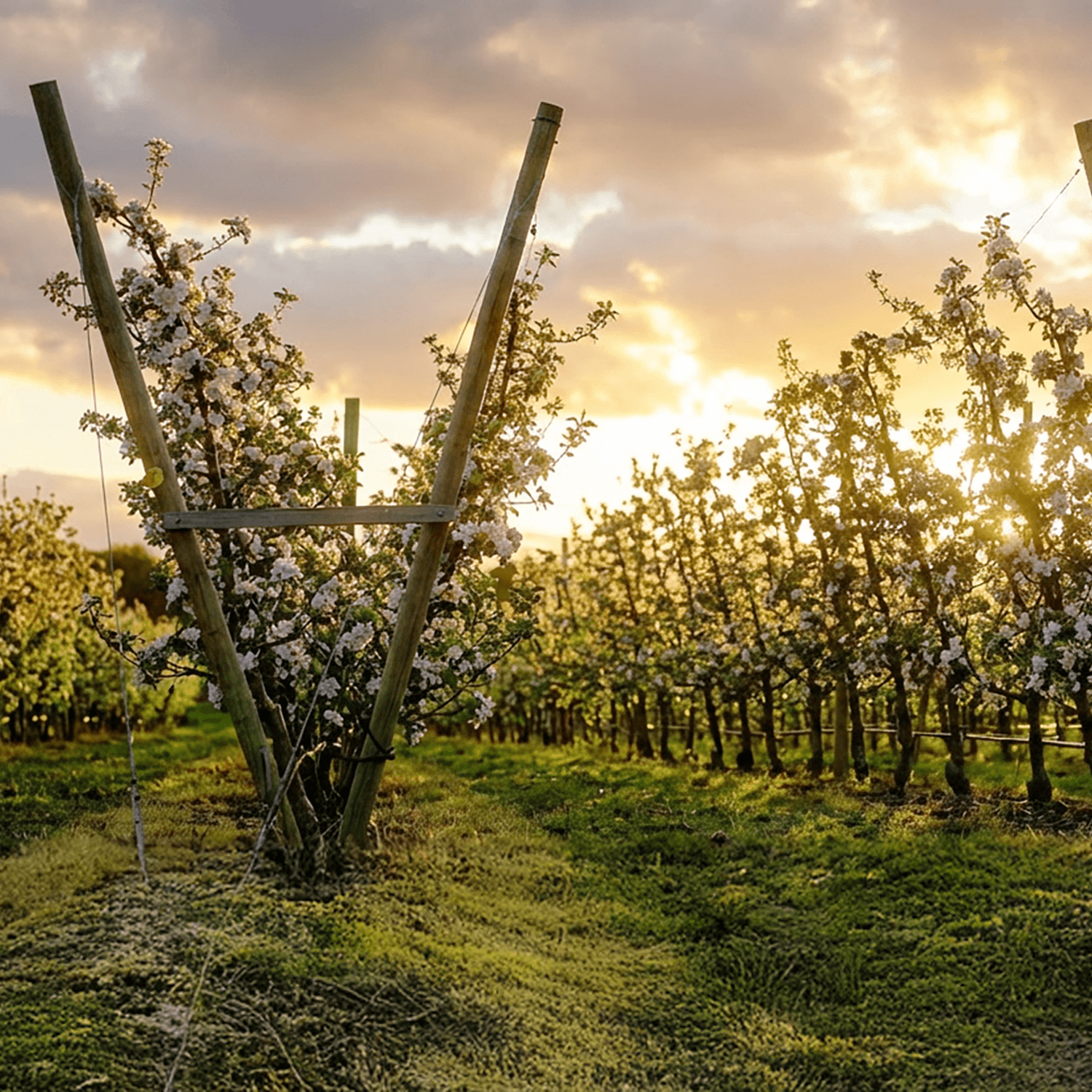
Climate-smart solutions are also central to our approach. Orchard netting provides natural cooling and shade, minimizing sunburn and reducing reliance on water-intensive cooling sprays. Trellis growing systems boost light interception and yields, improve harvest efficiency, allow us to plant more trees per acre, conserve water, and support better fruit quality all season long.
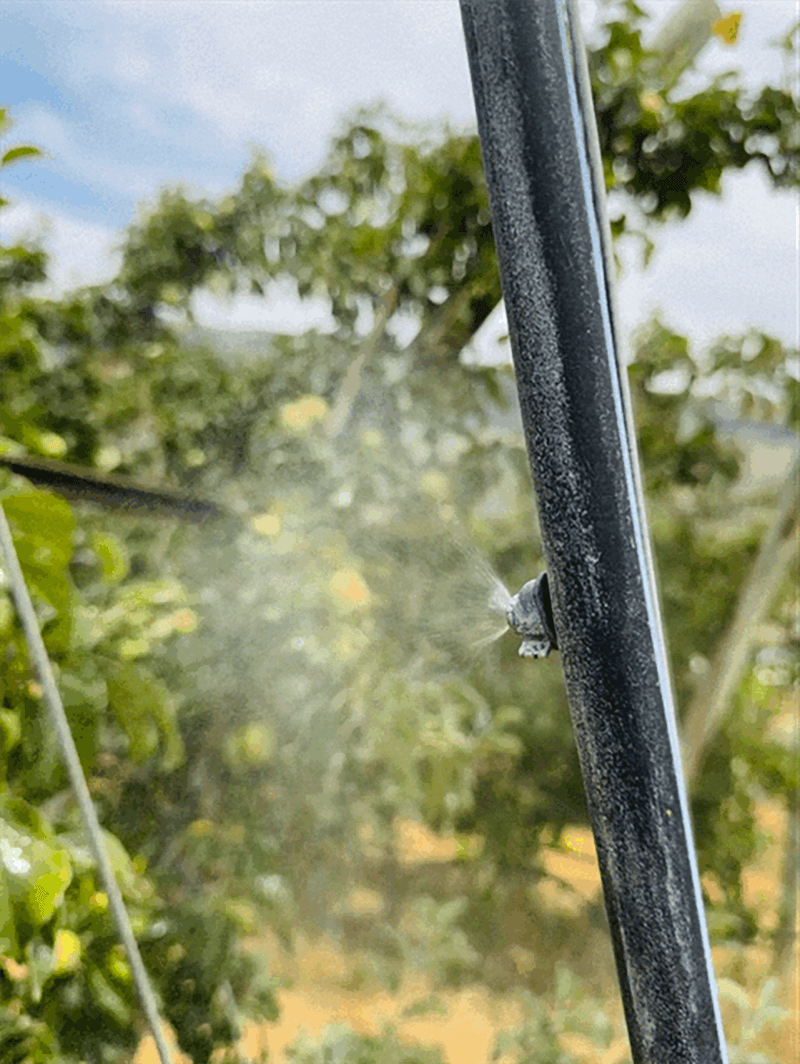
Through advanced monitoring and filtration systems, as well as the transition from traditional sprayers to water-saving mist foggers, we continue to find solutions to conserve resources.
Reduce Emissions | Consolidate Loads | Minimize Empty Miles
Nutrient Application
Orchard Netting
V-Trellis
Mist Foggers
Filtration Systems
HIGHLIGHTS
Regenerative
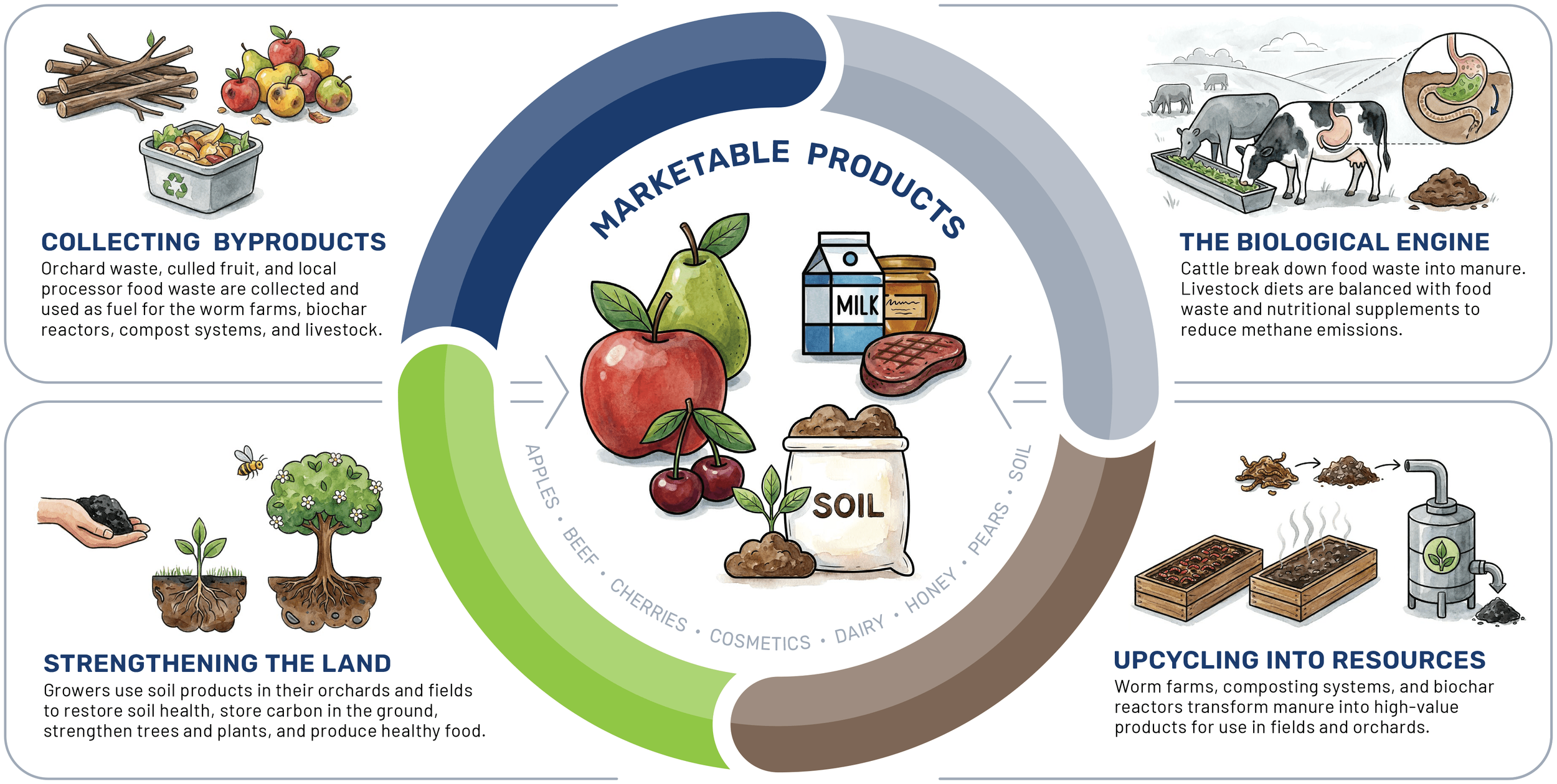
Closing the Loop
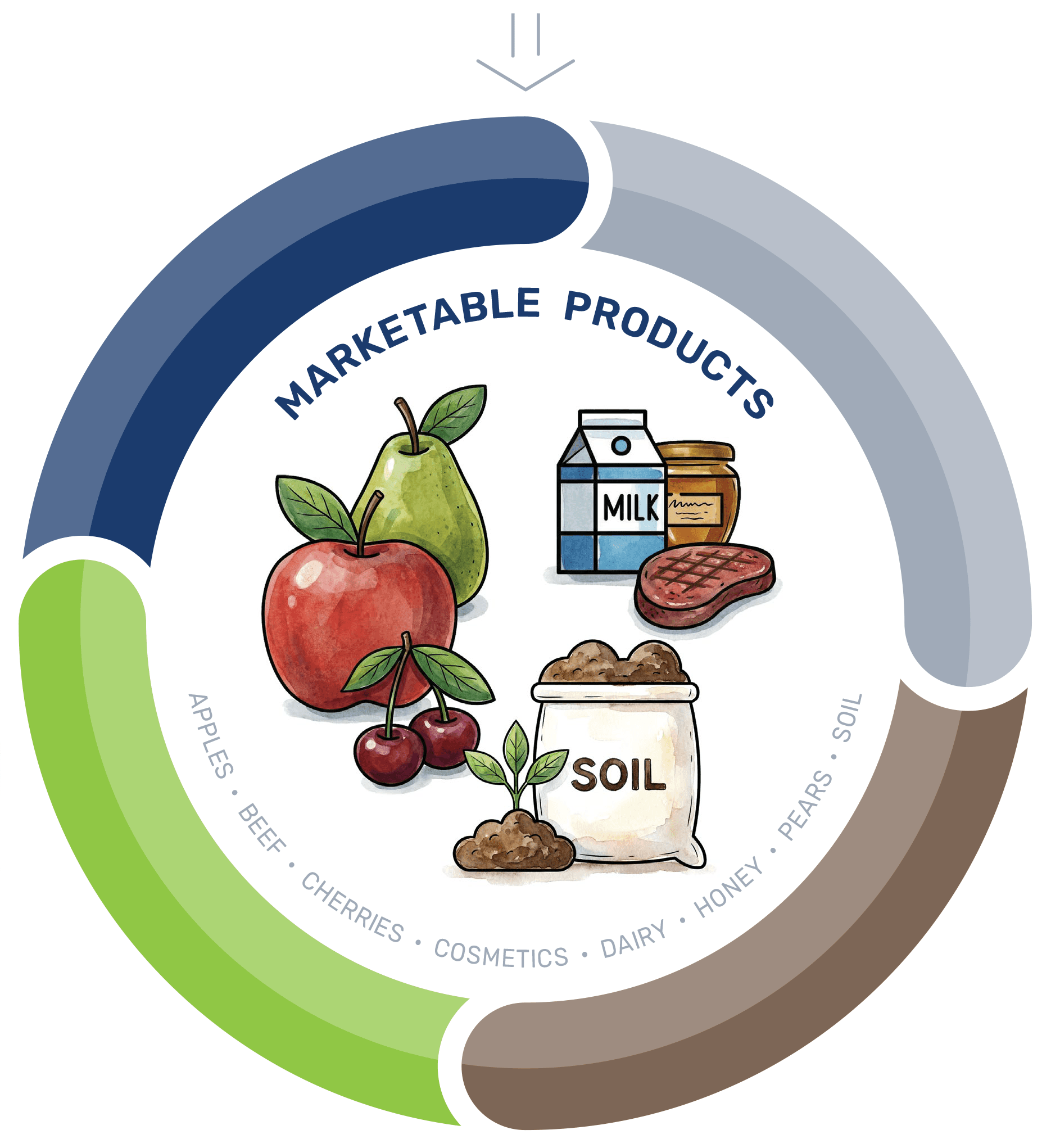
Our regenerative model operates in a continuous cycle, ensuring that food production and carbon sequestration are not separate activities, but integrated outcomes of the same system. Each part of the cycle creates food and soil inputs while upcycling waste and storing carbon in the soil, where it does the most good.
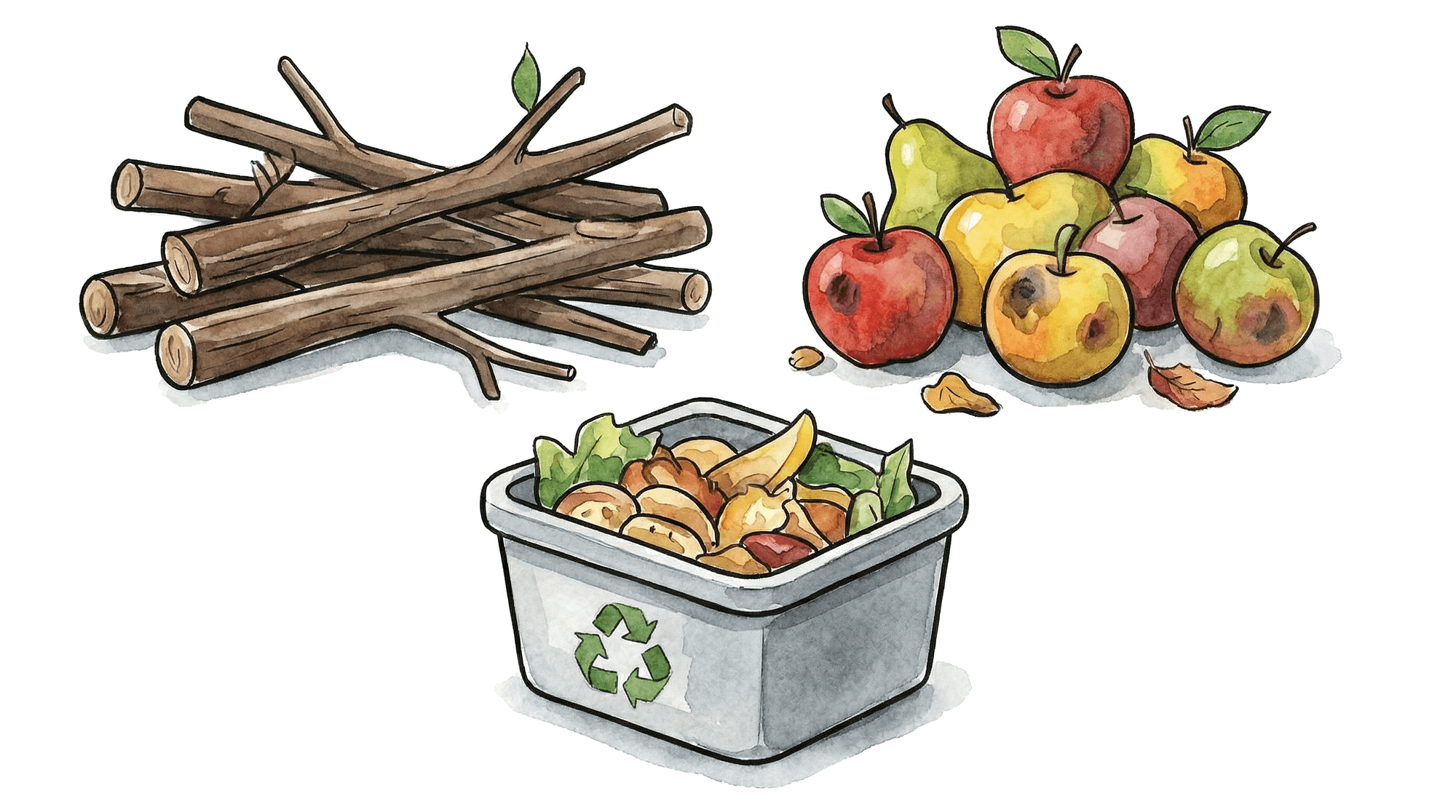
Collecting Byproducts
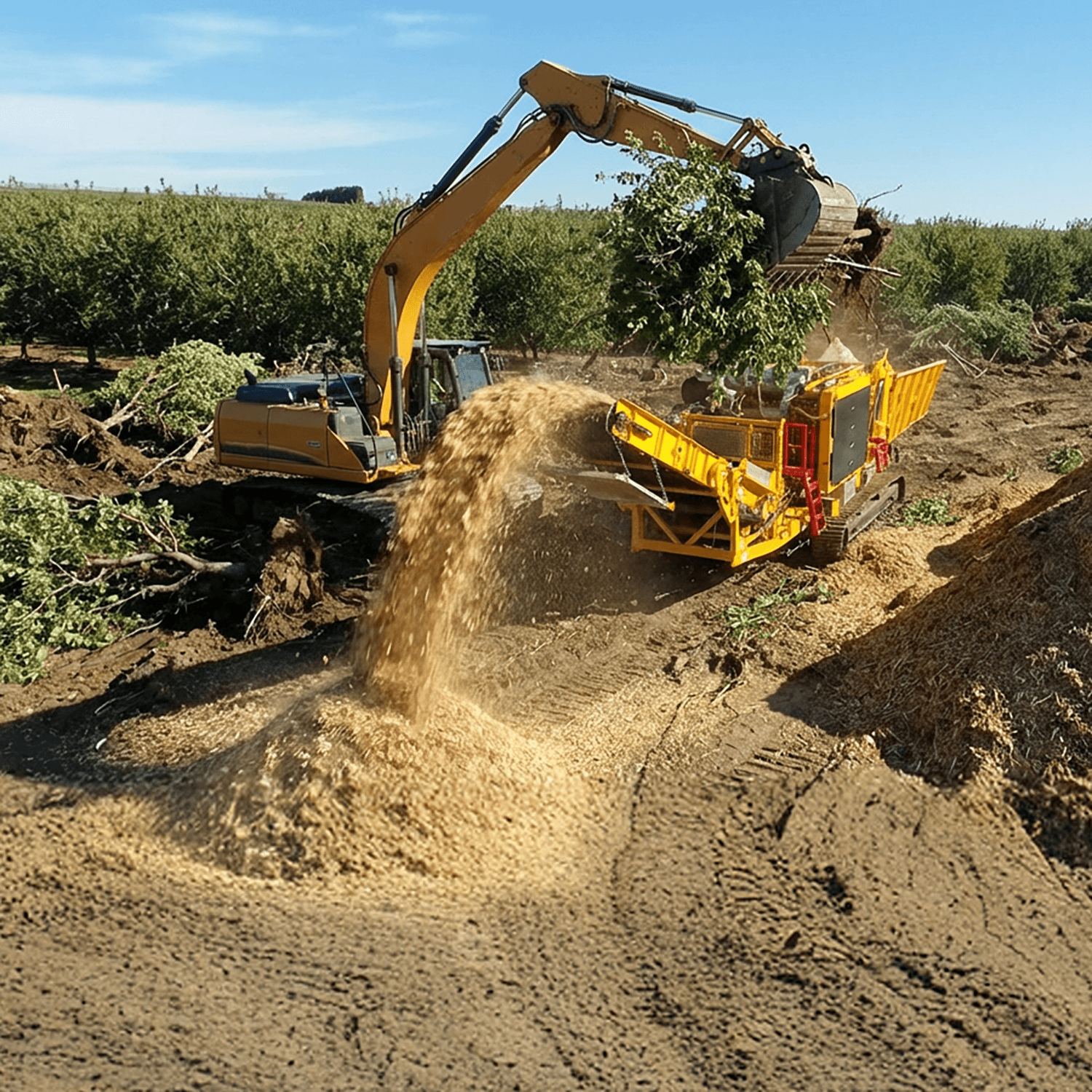
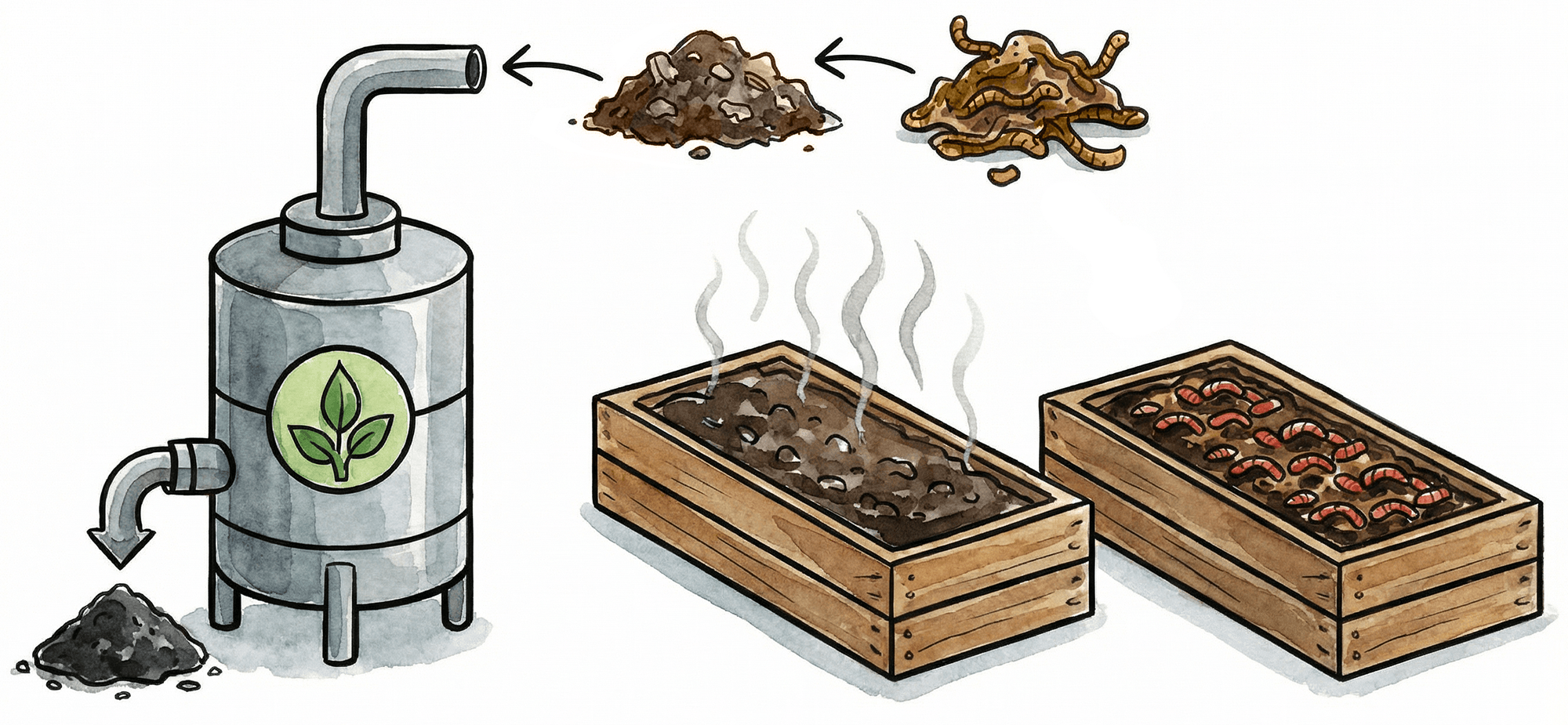
Orchard waste, culled fruit, and local processor food waste are collected and used as fuel for the worm farms, biochar reactors, compost systems, and livestock.
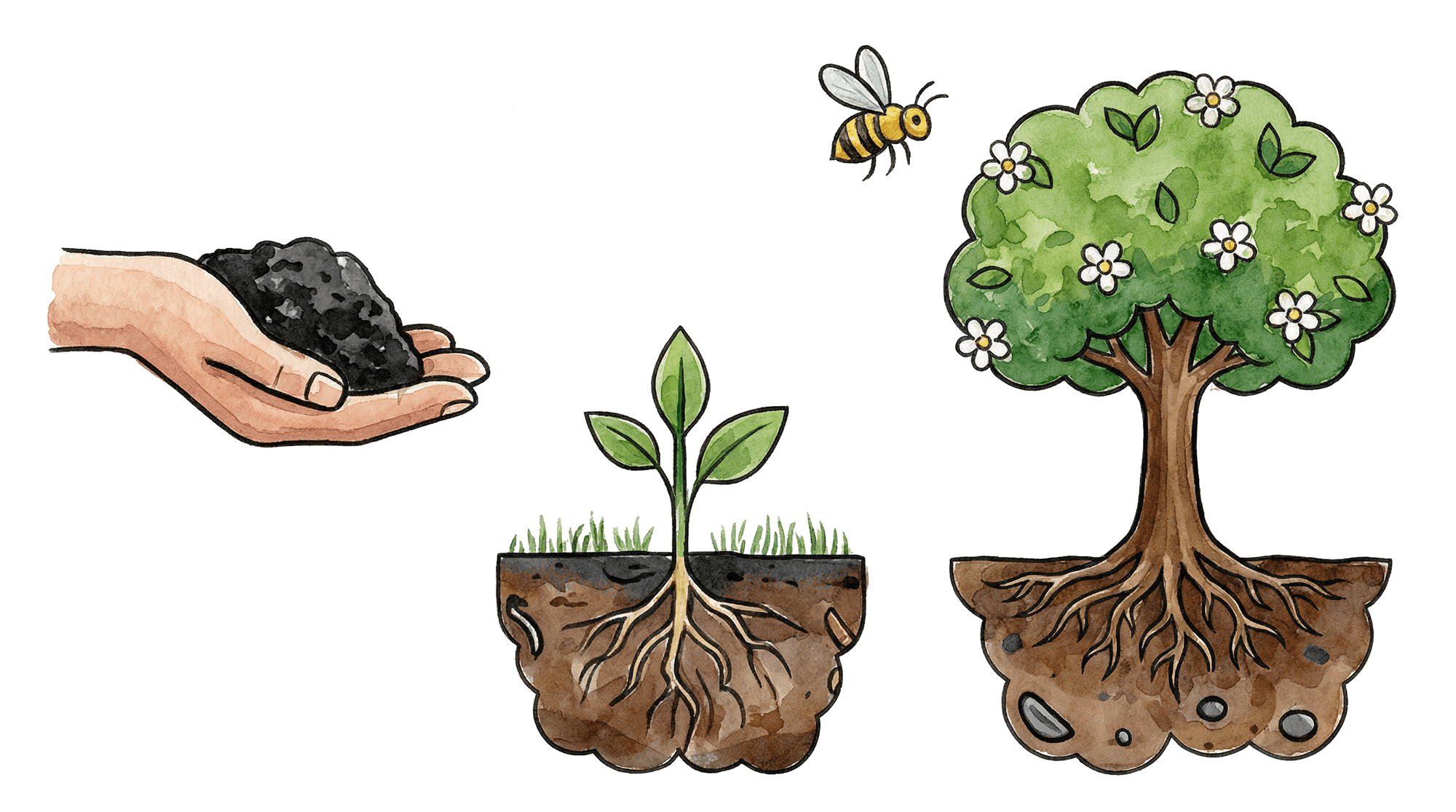
Strengthening the Land
Growers use soil products in their orchards and fields to restore soil health, store carbon in the ground, strengthen trees and plants, and produce healthy food.
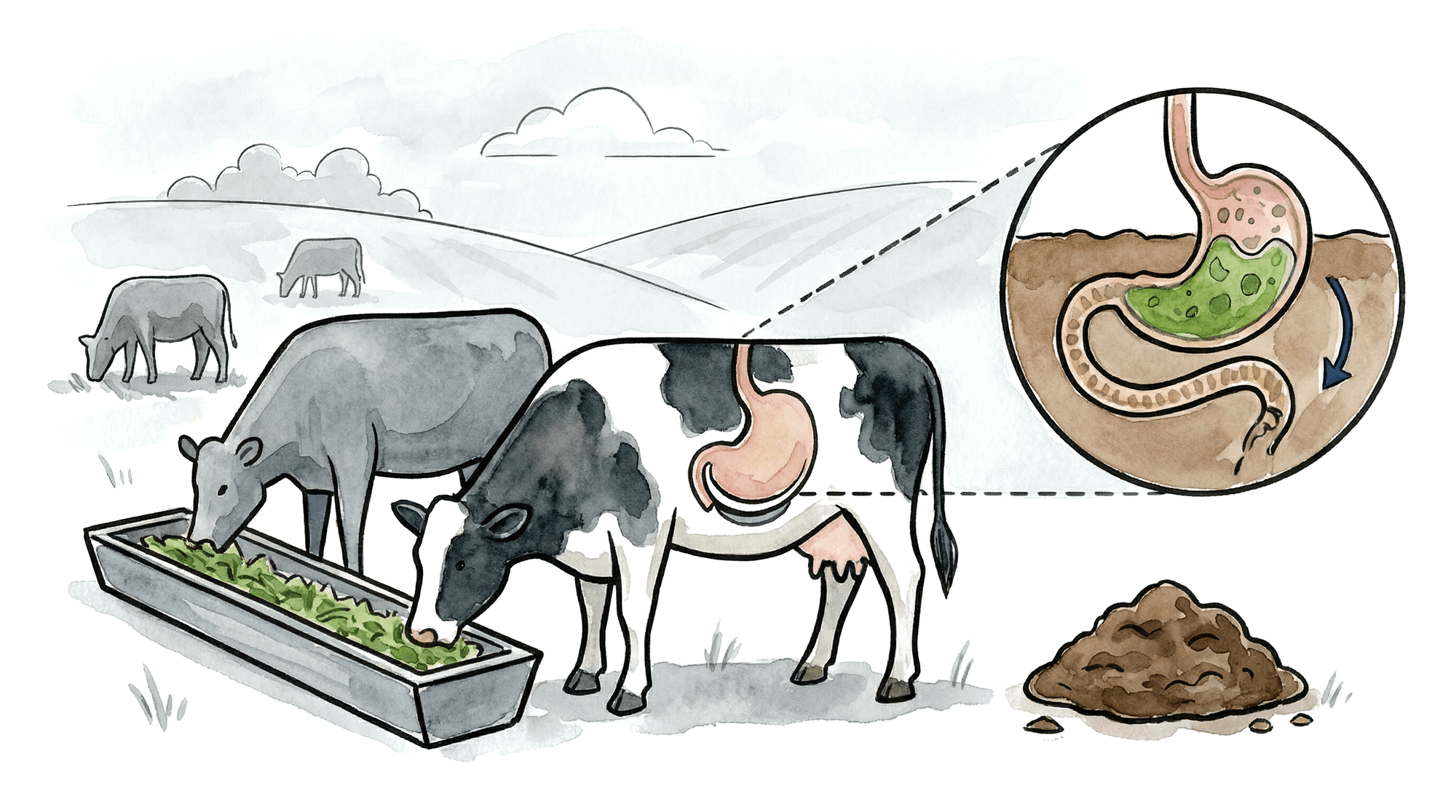
The Biological Engine
Cattle break down food waste into manure. Livestock diets are balanced with food waste and nutritional supplements to reduce methane emissions.
Upcycling into Resources
Worm farms, composting systems, and biochar reactors transform manure into high-value products for use in fields and orchards.

Community
Local & Retailer-Specific
Our commitment to community is rooted in our core values of service, compassion, and community engagement.
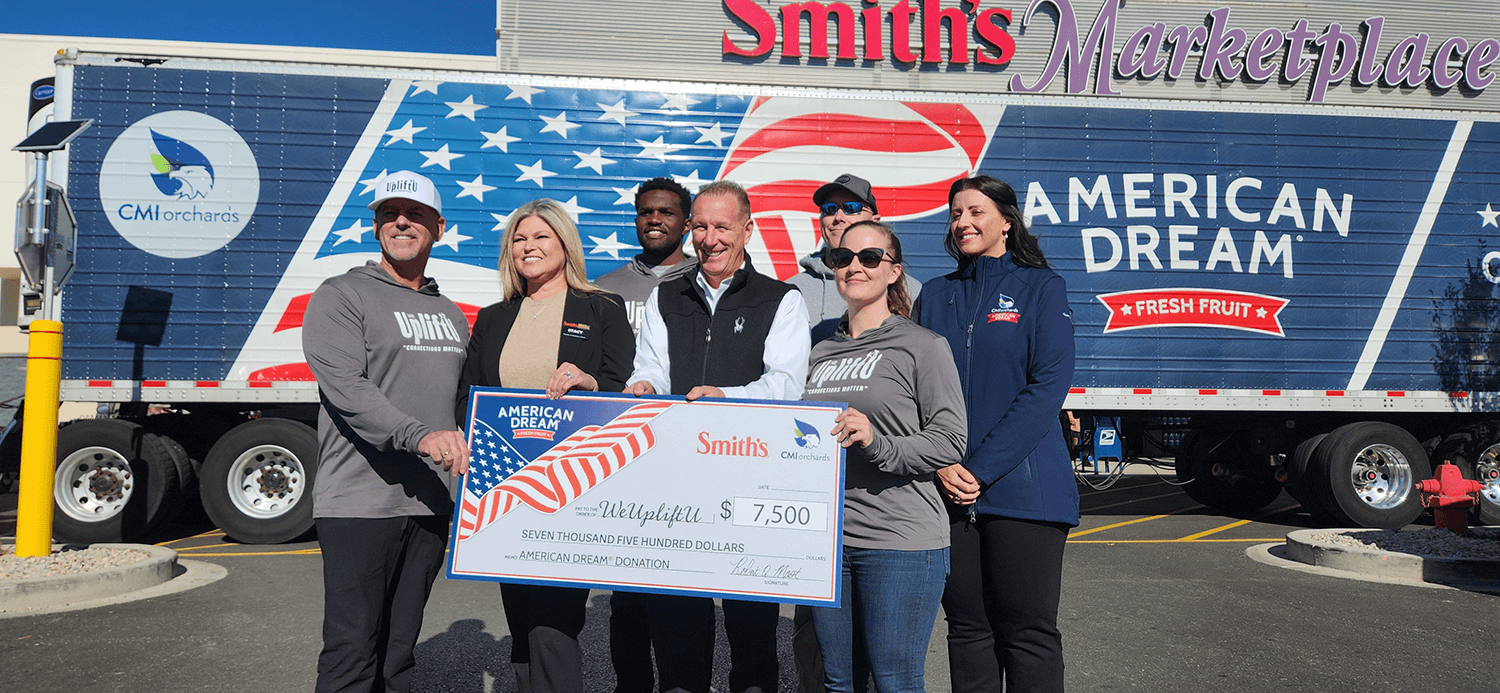
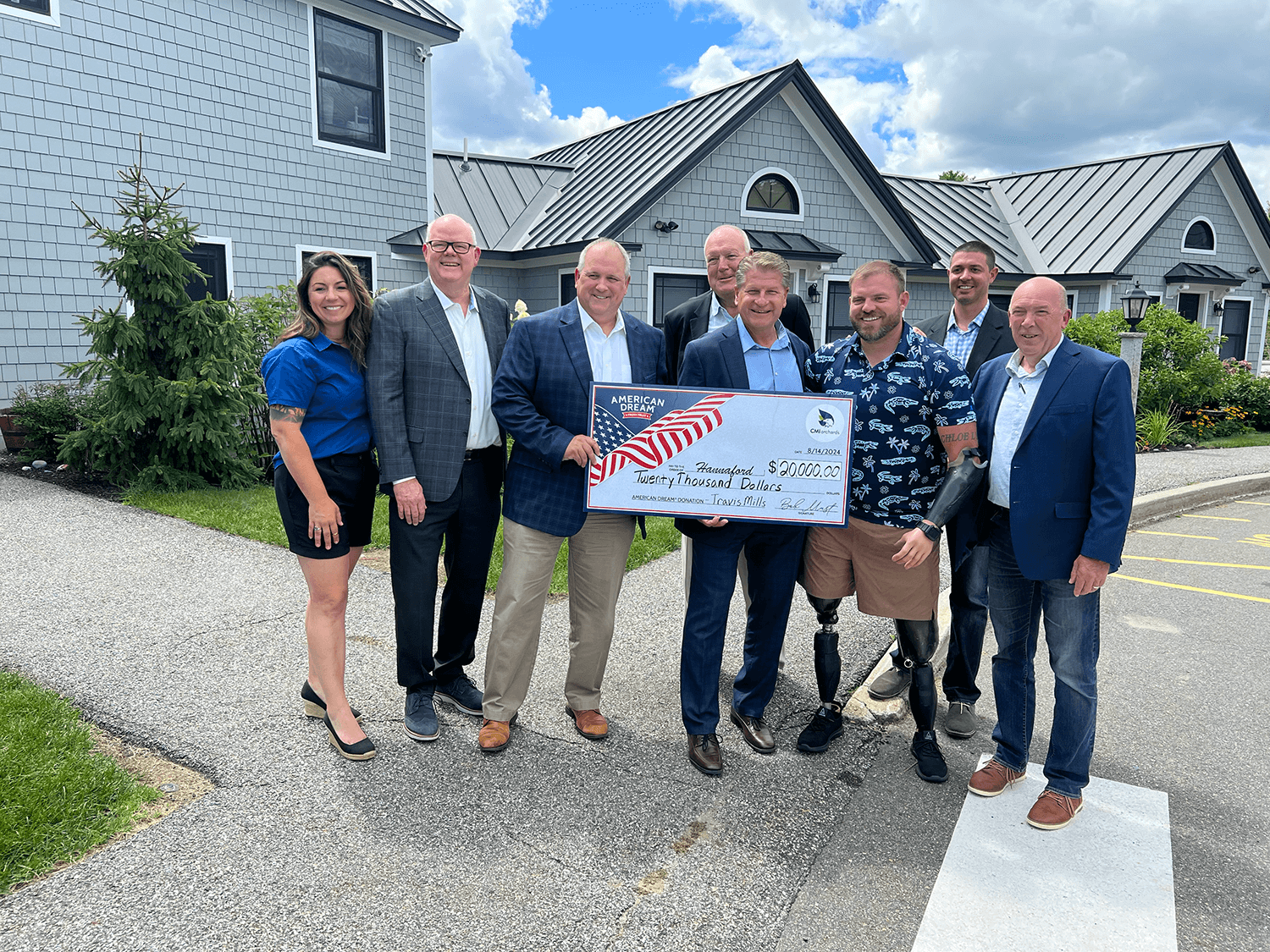
We actively invest in local and national initiatives that uplift veterans, families, youth, and those facing food insecurity, while also promoting education, wellness, and environmental stewardship. Through partnerships with organizations such as Feeding America, Operation Homefront, Seattle Children’s Hospital, Washington Apple Education Foundation, NCW Beekeepers Association, local youth sports programs, schools, and food banks, we are committed to making a meaningful impact where we live and work.

Community
Employee Involvement
Our employees show up for their community. The following list is a snapshot of the areas we collectively serve.
• Education & Workforce Development
• Local Civic & Business Leadership
• Local Community Events & Causes
• National Service & Humanitarian Efforts
• Industry Boards, Associations & Committees



Community
Food Security
Providing fresh fruit strengthens communities by fighting hunger, improving nutrition, and supporting families when access to healthy food is uncertain.
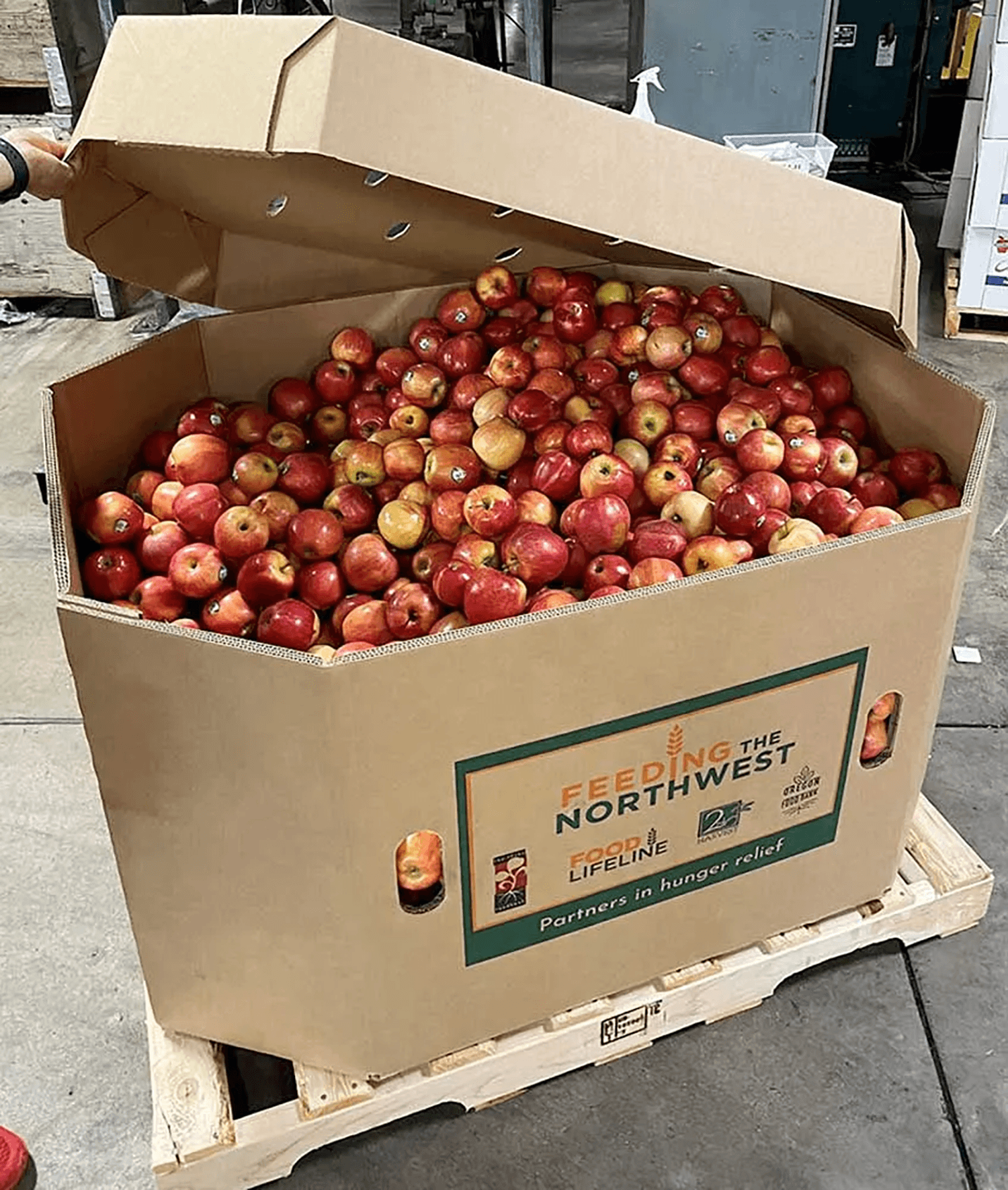
CMI Orchards has partnered with Feeding the Northwest for over 10 years, providing fresh apples to food-insecure residents across the western states. As one of the organization’s largest apple suppliers, CMI ships several truckloads of apples each week to support community food banks. Feeding the Northwest also provides critical natural disaster relief, delivering fruit to areas in urgent need, including the Carolinas during hurricane recovery and communities affected by the Lahaina fire in Hawaii.


Recruitment
Responsible Recruitment
H-2A Program
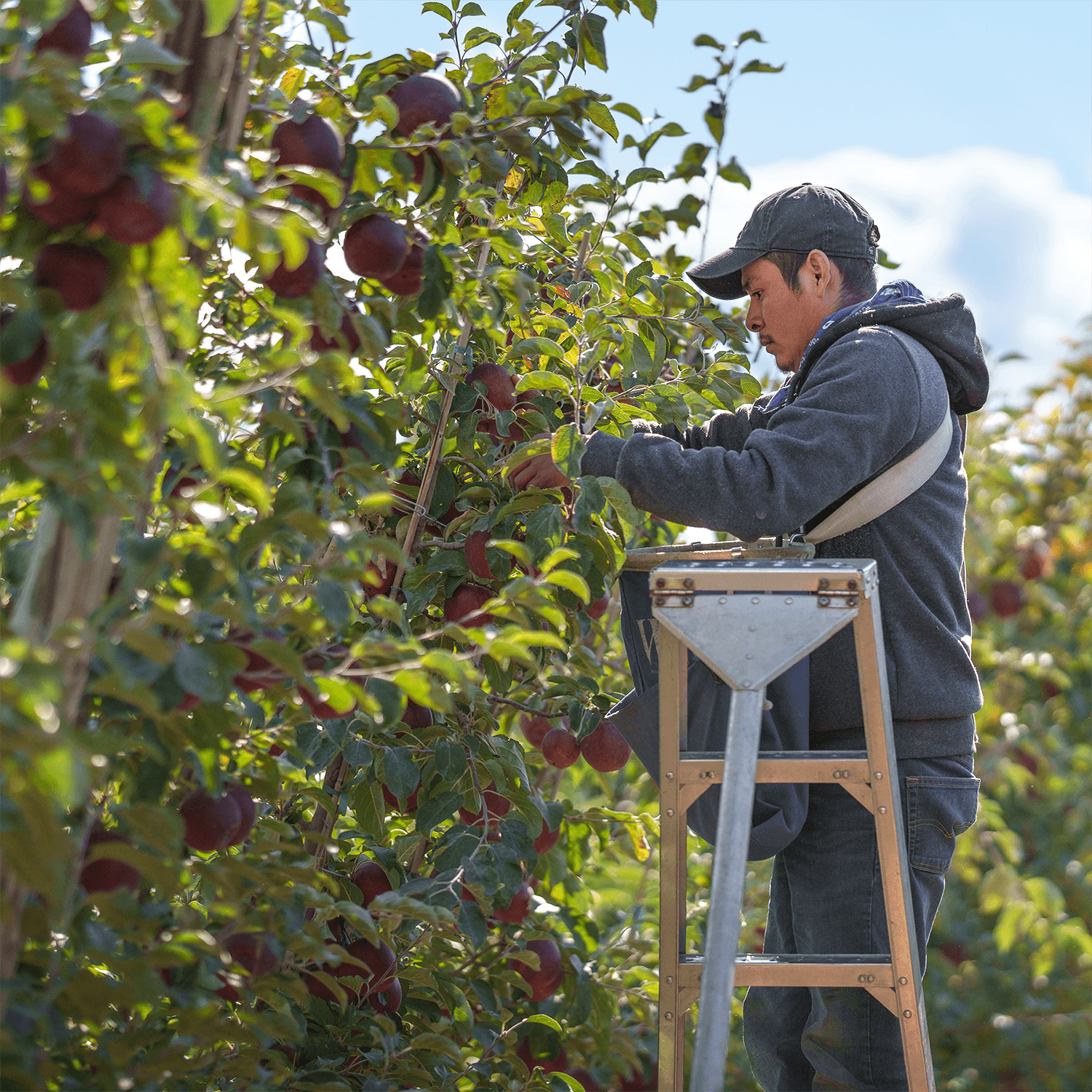
U.S. agricultural employers hire skilled foreign workers for seasonal and temporary work when there are not enough domestic workers available, provided employers meet strict requirements related to wages, housing, transportation, and worker protections. Many workers return year after year, building deep crop knowledge.
Each year, our growers use the H-2A program to provide a reliable workforce that helps us harvest crops on time, reduce food waste, and maintain our reputation as a top producer of fresh fruit. Our participation in the program helps raise labor standards across the industry by guaranteeing higher wage rates, safe and free housing, and access to health care and transportation while also offering stable income opportunities and legal protections for the ethical treatment of migrant workers.
H-2A also supports the economic sustainability of our fruit growers and the well-being and care of the workers who are essential to bringing our apples, pears, and cherries from the orchards to consumers.